
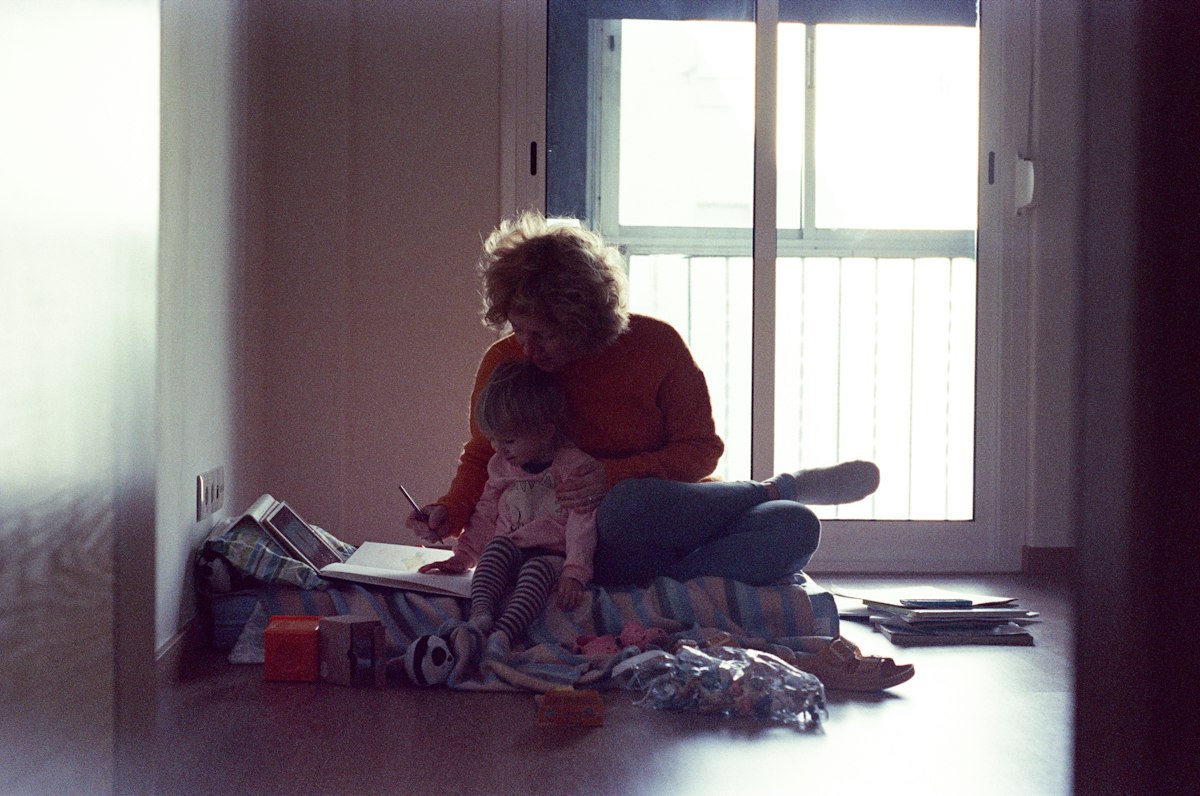
Many parents picture speech therapy as a clinic room with a waiting area and a basket of toys. For a lot of families, it happens somewhere far more familiar.
Mobile speech pathologists come to the child. That might mean the lounge room floor, a quiet room at school, or a corner of the daycare centre.
In Perth, City Beach Speech is a mobile paediatric speech pathology practice that visits children at home, school, daycare and kindy across the western suburbs. Knowing how these visits usually run can make the first one feel a lot easier for everyone involved.
Why some families prefer visits at home or school
Children often talk more when they feel relaxed. A familiar room, their own toys and a parent close by can help a shy child open up sooner.
Travel matters too. Getting a toddler into a car seat, across town and through a waiting room can use up most of their patience before the session even starts. When the therapist comes to you, that time and energy go back into the session.
School and daycare visits have their own benefits. The therapist can see how a child copes in the place where they spend much of their week. With a parent’s permission, they may also be able to talk with the teacher about what is happening in class.
The first appointment is usually an assessment
Most speech pathologists start with an assessment before any therapy begins. This gives them a clear picture of how your child understands language, uses words and makes speech sounds.
For young children, the assessment often looks a lot like play. The therapist might bring picture books, puzzles or small toys and watch how your child talks and responds.
Some practices split a toddler’s assessment over two shorter sessions. Little ones tire quickly, and a second visit can give a more accurate picture.
After the assessment, the therapist talks you through what they found. Together you set goals that make sense for your child and your family. Therapy starts from there.
How to get your home ready for a session
You don’t need to buy anything special. Mobile therapists usually bring their own resources in a bag or a box.
A few simple things do help:
- Pick a quiet room away from the television, siblings and pets if you can.
- Clear a small table, or a patch of floor, since many sessions with young children happen on the floor.
- Have a drink and a snack ready for afterwards rather than during the session.
- Plan to stay for the whole visit, as most therapists ask a parent or carer to be home and close by.
Being present is one of the most useful parts of a home visit. You see the activities first-hand and can ask questions as they come up.
You also get to watch how the therapist prompts your child, praises them and keeps them interested. Those small techniques are often the easiest things to copy later in the week.
What school and daycare visits involve
For school visits, the therapist usually contacts the school to book a suitable room. Parents are normally copied in on emails, so you know when and where sessions are happening.
Daycare and kindy visits follow a similar pattern. The centre knows when to expect the therapist, and the session fits around the child’s day.
It is worth asking how you will be kept up to date if you are not there in person. Some therapists send notes home. Others use a practice book or a short message after each visit.
You might also ask whether the therapist can share ideas with the teacher or educators. A few simple strategies used in class can back up the work done in sessions.
Home practice is where a lot of progress happens
A session might last under an hour. A week has many more waking hours in it, and short bursts of practice in between sessions can make a real difference.
Many therapists send home simple tasks. Some give each child a speech book with activities for the family to work through during the week.
Good home practice tends to be short and regular. Five minutes during bath time or on the drive to school is often easier to keep up than one long session on a Sunday afternoon.
Try to keep it light. If your child is tired or upset, it is fine to stop and try again tomorrow.
Siblings can join in too. Older brothers and sisters often enjoy playing the teacher, and a younger child may try harder when a sibling is having a go alongside them.
Questions worth asking before you book
Every practice works a little differently. A short phone call before booking can clear up a lot.
You might like to ask:
- Which suburbs they travel to, and whether there are any travel fees.
- Which days they visit homes, schools or daycare centres.
- How the first assessment works and how long it takes.
- Whether you need a GP referral, and whether private health extras or Medicare rebates might apply.
- How they keep you updated on progress.
It is also reasonable to check that the therapist is a Certified Practising Speech Pathologist. Speech Pathology Australia is the national peak body for the profession and has information for families looking for a speech pathologist.
Signs it may be time to get advice
Every child develops at their own pace. Even so, some signs are worth raising with a speech pathologist or your GP.
These include a toddler who is not yet using words, a child who is hard for family to understand, or a school-age child who struggles to follow instructions in class. A child who loses words or skills they used to have should see a GP.
If you are unsure, asking costs very little. Many practices offer a short phone chat so you can talk through your worries before booking anything.
Making the most of mobile speech therapy
Home and school visits take a lot of the stress out of getting to appointments. They also let the therapist see your child where they are most comfortable.
Set up a quiet space and stay close during home sessions. Keep up the small bits of practice in between visits, even on busy weeks.
Ask questions whenever something is unclear. Your child’s therapist would much rather you check than guess.